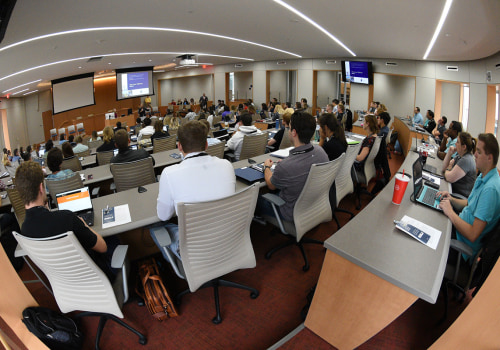
Legal education programs are essential pathways for individuals aspiring to enter the legal profession. These programs encompass a range of studies, from undergraduate degrees in legal studies to advanced law degrees such as the Juris Doctor (JD). They provide students with a comprehensive understanding of the law, legal systems, and the critical thinking skills necessary to navigate complex legal issues. As the legal landscape continues to evolve, the importance of a solid educational foundation cannot be overstated. In the United States, pursuing a career in law typically begins with enrolling in a recognized law school, which is often a requirement for taking the bar exam.
This exam is crucial for obtaining a license to practice law in a specific state. However, before reaching this stage, students must complete various prerequisites and coursework that form the backbone of their legal education. Understanding these requirements is vital for anyone considering a future in law. Moreover, legal education programs often include opportunities for practical experience through internships and clinics, allowing students to apply their knowledge in real-world settings. This hands-on approach not only enhances learning but also prepares graduates for the challenges they will face in their legal careers.
As we delve deeper into this topic, we will explore the specific exams and certifications that are integral to completing these programs and successfully entering the legal field.
Overview of Legal Education Programs
Legal education programs are designed to equip students with the knowledge and skills necessary for a successful career in law. These programs vary widely, offering different paths depending on the student’s career goals and interests.- Undergraduate Programs: Some universities offer pre-law undergraduate degrees that provide foundational knowledge in legal principles. These programs typically cover subjects such as political science, history, and philosophy, which are essential for understanding the legal system.
- Graduate Programs: The most common graduate program is the Juris Doctor (JD), which is required to practice law in the United States. JD programs usually span three years and include a comprehensive curriculum that covers various areas of law, including contracts, torts, criminal law, and constitutional law.
- Specialized Law Degrees: Beyond the JD, there are specialized degrees such as the Master of Laws (LLM) for those who already hold a JD or equivalent degree.
LLM programs allow lawyers to deepen their expertise in specific areas like tax law, international law, or intellectual property.
Key Exams in Legal Education
When pursuing a legal education program, prospective law students must navigate several critical examinations that serve as gateways to both law school admission and legal practice.Understanding these exams is essential for anyone considering a career in law.
Law School Admission Test (LSAT)
The first major hurdle is the Law School Admission Test, commonly known as the LSAT. This standardized test is designed to assess reading comprehension, logical reasoning, and critical thinking skills, which are vital for success in law school. Most accredited law schools in the United States require the LSAT as part of their admission process. The test consists of multiple-choice questions and a writing sample, and it is typically offered several times a year.Preparing for the LSAT often involves extensive study and practice, as scores can significantly impact admission chances.
Bar Exam Requirements
Once students successfully complete their legal education programs and earn their Juris Doctor (JD) degree, they must pass the bar exam in their respective state to practice law. The bar exam tests knowledge of state-specific laws and general legal principles. Each state has its own requirements regarding eligibility, format, and subjects covered on the exam. Generally, the bar exam includes:- Multistate Bar Examination (MBE)
- State-specific essays
- Performance tests
Passing this exam is crucial, as it not only demonstrates a candidate's legal knowledge but also their readiness to uphold the responsibilities of a practicing attorney.In summary, both the LSAT and bar exam are pivotal components of the journey through legal education programs. Aspiring lawyers must approach these exams with diligence and preparation to ensure successful entry into the legal profession.
Certifications Relevant to Legal Education
Completing a legal education program can be a significant step towards a successful career in law, but obtaining relevant certifications can further enhance your qualifications and marketability. Various certifications exist that cater to different areas within the legal field, providing specialized knowledge and skills.Paralegal Certification
One of the most recognized certifications in the legal field is the paralegal certification. This credential is essential for those looking to work as paralegals or legal assistants.Organizations such as the National Association of Legal Assistants (NALA) offer the Certified Paralegal (CP) designation, which requires candidates to pass a comprehensive exam covering various aspects of law and legal procedures. Obtaining this certification not only demonstrates proficiency but also enhances job prospects in a competitive market.
Specialized Legal Certifications
In addition to paralegal certifications, there are numerous specialized legal certifications that can complement a legal education program. These include:- Certified Legal Manager (CLM): Ideal for those interested in legal management, this certification focuses on the business aspects of running a law firm.
- Certified Information Privacy Professional (CIPP): This certification is crucial for professionals dealing with data privacy laws and regulations.
- Family Law Specialist Certification: Offered by various state bar associations, this certification is designed for attorneys who wish to specialize in family law.
- Intellectual Property Certification: This credential is beneficial for those focusing on intellectual property law, covering patents, trademarks, and copyrights.
State-Specific Requirements for Legal Education Programs
Legal education programs in the United States are not one-size-fits-all; they vary significantly from state to state.Each jurisdiction has its own set of requirements that aspiring lawyers must meet before they can practice law. Understanding these state-specific requirements is crucial for anyone considering a career in law.One of the primary components of legal education is passing the state bar exam. This exam tests knowledge of state-specific laws and legal principles, and it is a prerequisite for obtaining a license to practice law in that state. For example:
- California: The California Bar Exam is known for its difficulty and includes both multiple-choice questions and essays that focus on California law.
- New York: New York requires candidates to pass the Uniform Bar Exam (UBE), which is recognized by several other states, making it easier for lawyers to practice across state lines.
- Texas: The Texas Bar Exam includes a unique section on Texas law, alongside the UBE components.
- Character and fitness evaluations: Most states require candidates to undergo a thorough background check to assess their moral character and fitness to practice law.
- Continuing legal education (CLE): After passing the bar, lawyers must complete ongoing education to maintain their licenses, with specific requirements varying by state.
For instance, states with unique legal frameworks may require specialized courses that are not necessary in other jurisdictions. Therefore, prospective law students should research the specific requirements of the state where they intend to practice.In summary, navigating the landscape of legal education programs requires an understanding of the various state-specific exams and certifications needed. By familiarizing themselves with these requirements, aspiring lawyers can better prepare for their future careers in law.
Frequently Asked Questions about Legal Education Programs
When considering legal education programs, many prospective students have questions regarding the necessary exams and certifications required to successfully complete their studies. Below are some of the most frequently asked questions related to this topic.- What exams are required for law school admission?
Most law schools in the United States require applicants to take the Law School Admission Test (LSAT).This standardized test assesses reading comprehension, logical reasoning, and critical thinking skills. Some schools may also accept the Graduate Record Examination (GRE) as an alternative.
- Are there any certifications needed after completing a legal education program?
After graduating from a law school, individuals must pass the bar exam in their respective state to practice law. Each state has its own bar exam, and passing this exam is crucial for obtaining a license to practice. - What is the bar exam?
The bar exam is a comprehensive test that evaluates a candidate's knowledge of state-specific and general legal principles. It typically includes multiple-choice questions, essays, and performance tests.Preparation for this exam often requires extensive study and review.
- Are there any additional certifications that can enhance my legal career?
While not mandatory, obtaining additional certifications can be beneficial. For example, certifications in areas such as family law, criminal law, or intellectual property can help lawyers specialize and stand out in their field. - How long does it take to prepare for the bar exam?
Preparation time varies by individual, but most candidates spend about 8 to 10 weeks studying full-time before taking the bar exam. Many choose to enroll in bar review courses to help structure their study plans.
Conclusion: Navigating Your Path in Legal Education
In conclusion, navigating your path in legal education programs requires a clear understanding of the various exams and certifications that play a crucial role in shaping your legal career.As we have discussed, the journey typically begins with the Law School Admission Test (LSAT), which is essential for admission into most law schools. This standardized test assesses critical thinking, reading comprehension, and logical reasoning skills, all of which are vital for success in law school.Once you have completed your legal education, the next significant milestone is passing the bar exam. This exam is a rigorous assessment that varies by state but generally tests knowledge of state-specific laws and legal principles. Successfully passing the bar exam is not just a requirement to practice law; it also signifies your readiness to uphold the ethical standards of the profession.Additionally, pursuing further certifications can enhance your expertise and marketability in specialized areas of law.
For instance, certifications in fields such as family law, criminal law, or intellectual property can set you apart from other candidates in a competitive job market.Moreover, understanding the importance of continuing legal education (CLE) is essential for maintaining your license and staying updated on legal developments. Many states require attorneys to complete a certain number of CLE hours annually, ensuring that legal professionals remain knowledgeable and competent throughout their careers.In summary, being well-informed about the necessary exams and certifications associated with legal education programs is vital for aspiring lawyers. It not only prepares you for the challenges ahead but also equips you with the credentials needed to thrive in the legal field. By taking these steps seriously, you can confidently embark on a rewarding career in law.